To prepare for an estate cleanout, start with a clear plan, one decision-maker, and simple sorting rules. Protect papers and keepsakes before moving other items. A written timeline can lower stress, prevent family conflict, and help Palm Desert families finish the home safely and respectfully.
Table of Contents
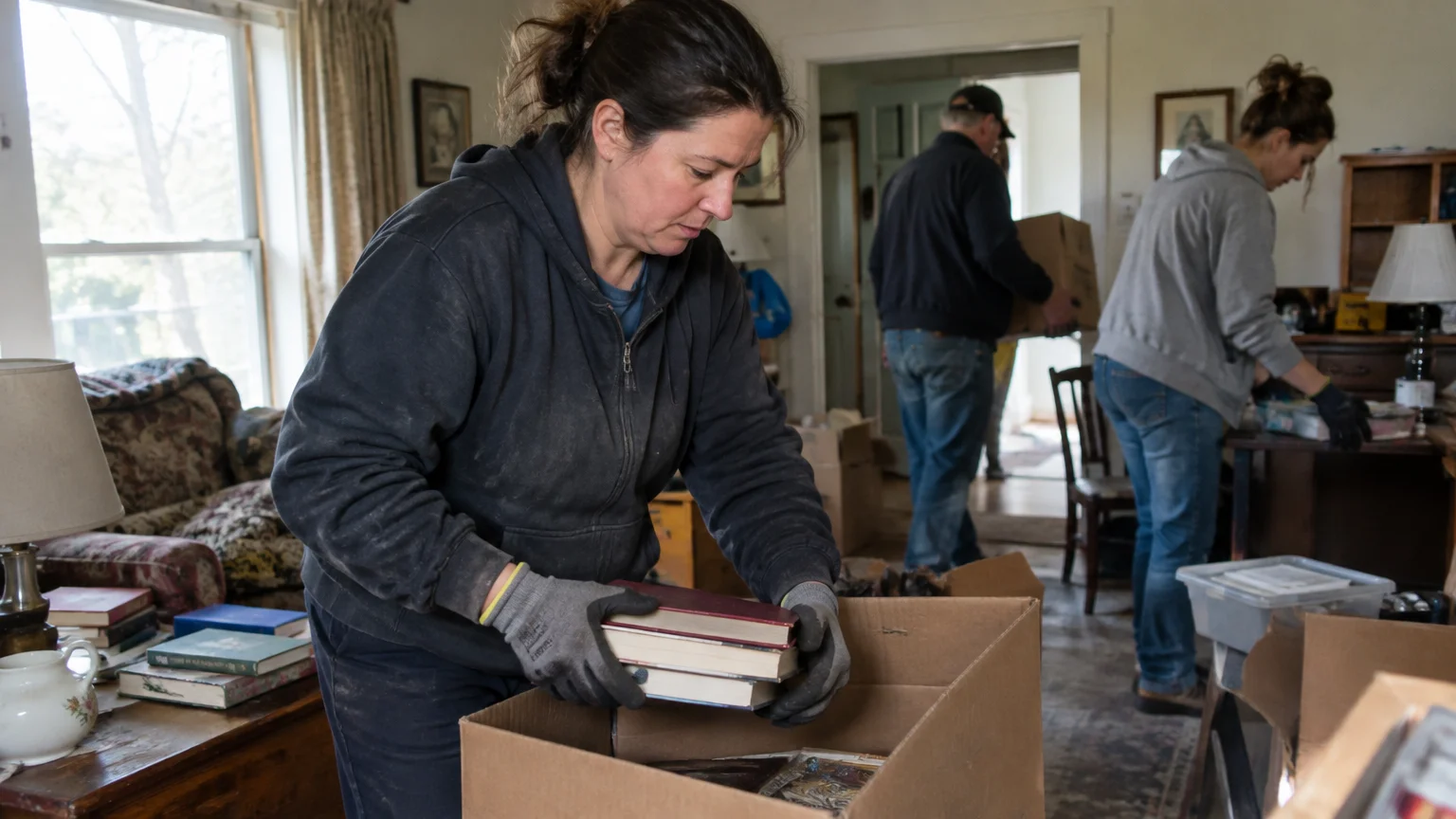
- What Should You Do First When Preparing for an Estate Cleanout?
- How Can Families Sort Belongings Without Creating Conflict?
- Which Items Should You Keep, Donate, Sell, or Remove?
- How Do You Handle Sentimental Items After a Loss?
- What Should You Know About Donations, Sales, and Disposal?
- When Should You Hire an Estate Cleanout Service?
- How Can You Finish the Cleanout and Prepare the Property?
- Frequently Asked Questions
What Should You Do First When Preparing for an Estate Cleanout?
The first step is to make a plan before anyone moves items. Decide who can make group choices, when the home must be cleared, and which rooms need attention first. This gives each person a role and helps keep the work calm.
An estate cleanout means removing unwanted belongings after a death, move, or major life change. It may include furniture, clothing, appliances, boxes, yard items, and household waste. Since the work can cover many rooms, a written plan helps prevent missed tasks.
Set a Clear Timeline and Decision-Making Process
Begin with the property deadline. It may come from a sale, lease, probate step, insurance need, or family agreement. Then set dates for sorting, donations, sales, removal, cleaning, and the final walk-through.
Choose one person to guide daily choices. This person does not need to decide who owns every item. Their role is to keep the work in order and write down choices that affect the family. If ownership is unclear, stop and ask the estate lawyer or executor for help.
A useful first-day plan may include:
- Walk through every room and make a simple item list.
- Photograph valuable, unusual, or damaged belongings before sorting.
- Mark areas with papers, medicines, tools, or personal records.
- Set aside items that nobody may move until ownership is clear.
- Make one shared list of dates, tasks, and family decisions.
Gather Important Documents and Property Information
Look for wills, trusts, titles, insurance papers, tax records, account statements, and property documents. Keep these papers in a safe place. Do not put them in donation boxes or trash bags during the first sort.
Also check locked cabinets, safes, sheds, garages, attics, and storage units. Look for spare keys and building rules before work starts. Palm Desert CA Junk Removal can help property owners plan the hauling after the family decides what must stay and what may leave.
How Can Families Sort Belongings Without Creating Conflict?
Families have fewer disputes when they agree on rules before sorting personal items. A short meeting can set the work order, the number of choices each person gets, and the way disputed items will be handled. Written rules can stop the same argument from happening again.
Grief affects each person in a different way. One person may want to work fast, while another needs more time with familiar objects. Both needs matter. A steady plan can allow time for care while the cleanout continues.
Agree on Categories, Priorities, and Ownership
Use the same labels in every room. Clear categories help family members make choices and show workers what may be moved. Common labels include keep, family review, donate, sell, recycle, dispose, and special handling.
Start with items that have little emotional meaning. Examples include empty boxes, broken shelves, expired supplies, and worn household goods. Save photographs, letters, jewelry, and other personal items for a planned family review.
A family meeting should answer these questions:
- Who may claim personal belongings?
- How will the family handle items wanted by more than one person?
- Will items be sold, shared, donated, or stored?
- Who records choices, receipts, and sale records?
- What happens when nobody agrees?
Use Practical Methods for Handling Disagreements
Put a disputed item in a family review area. Do not hide it, give it away, or put it in a vehicle. Add it to a shared list and set a date for a decision. A short pause often works better than an argument during a long workday.
If the issue remains hard, the executor or another neutral person can guide the talk. Legal advice may be needed for property rights, valuable collections, firearms, financial records, or unclear gifts. Removal workers can haul approved items, but they cannot decide who owns them.
Which Items Should You Keep, Donate, Sell, or Remove?
Keep items with clear use, legal importance, strong personal value, or an agreed family owner. Donate clean and usable goods. Sell items with a known market when the time and effort make sense. Remove broken, unsafe, ruined, or unwanted property.
The goal is not to save everything or throw everything away. The goal is to make one clear choice for each group of belongings. A simple system helps the family move through the home without starting each choice from the beginning.
Create a Simple Sorting System
Use colored labels or large signs in each room. Keep the system easy for every family member to follow. Place similar objects together so the family can compare them before making a choice.
Clean dishes may go to donation, while important papers go to family review. A sound table may be sold or given to a relative, while a water-damaged mattress may need removal. Let condition, safety, use, and ownership guide each choice.
Photograph items that may be sold or claimed later. Write down the room where each item was found. This helps prevent confusion when furniture or boxes move during the cleanout.
Identify Items Requiring Special Handling
Some items should not go into normal trash. Paint, fuel, chemicals, propane tanks, pesticides, batteries, and some electronics may have local disposal rules. Medicines should go through an approved take-back option when one is available.
Old refrigerators, freezers, and air conditioners may contain refrigerant. Refrigerant is a substance that helps cooling equipment make cold air. Check local rules for these appliances before disposal.
A local waste authority can explain where to take branches, yard waste, sod, dirt, mattresses, and other large materials. Rules vary by community, so check before loading a vehicle. Palm Desert CA Junk Removal can help Palm Desert homeowners identify approved items that are ready for removal and items that need another disposal route.
How Do You Handle Sentimental Items After a Loss?
Sentimental items need time, privacy, and kind discussion. Do not force quick choices about letters, photographs, clothing, artwork, or personal collections. A separate memory area lets people review these belongings without stopping the rest of the cleanout.
It may help to choose a small number of keepsakes before saving larger groups. Family members can scan photos, record stories, or share copies of special papers. These steps protect memories while reducing the amount that must be stored.
Make Space for Personal Decisions and Memories
Set aside a quiet room or table for personal belongings. Use boxes with names or family groups. Keep fragile items away from hauling areas, damp spaces, and open doors.
Each person should have a fair chance to review belongings connected to them. One person may want a recipe box, tool set, or group of letters. Another may value a chair, quilt, or holiday decoration. The meaning of an item may not be clear to everyone, so kind questions work better than quick judgments.
The family can also set a storage limit. For example, each person may choose one labeled keepsake bin. The limit should fit the family and the available space. The goal is to protect important memories while keeping the property manageable.
Set Boundaries Around Emotional Discussions
Grief can make simple talks feel hard. Set short work periods, take breaks, and avoid sorting late at night. Nobody should have to decide while upset, sick, or worn out.
A neutral phrase can pause a conflict: “Let’s place this in family review and return to it later.” This keeps the item safe without making the disagreement larger. If talks stay tense, a trusted friend, counselor, mediator, or executor may help.
What Should You Know About Donations, Sales, and Disposal?
Donations, sales, and disposal all need planning. Donation groups may reject stained, broken, unsafe, or old items. Buyers may want clean photos, measurements, and a set pickup time. Disposal sites may have rules for mattresses, appliances, electronics, and chemicals.
Make choices based on condition and time. A whole-house cleanout often has more items than one sale or donation pickup can handle. Backup options keep the property from waiting on one delayed appointment.
Plan Donations and Estate Sales Realistically
Call donation centers before loading a truck. Ask what they accept, whether they collect large furniture, and how items must be prepared. Some groups do not take used mattresses, damaged upholstered furniture, or bulky appliances.
For a sale, focus on clean, complete items that may interest local buyers. Use clear descriptions and decide who will manage messages, payments, and pickups. Set an end date before the sale starts. Items left after that date need a planned donation or removal path.
Keep receipts and sale records when the estate requires them. The executor should follow the estate’s legal and tax guidance. Begin removal only after the family has completed its review and approved the remaining items.
Understand What Cleanout Services Can Remove
Estate cleanout services often handle approved furniture, boxes, appliances, household clutter, and other unwanted items. The team may load items from several rooms and take them to suitable disposal, recycling, or donation locations. The exact service depends on the provider, item type, and local rules.
Point out fragile, restricted, or uncertain items before loading starts. Workers should not remove documents, valuables, medicines, weapons, or anything marked for family review. Clear labels help protect the estate and keep the work moving.
Property owners in Palm Desert and nearby areas, including El Paseo, University Park, Indian Wells, La Quinta, Rancho Mirage, and Indio, may need help with a whole-house cleanout. They may also need a garage cleanout, attic cleanout, basement cleanout, or foreclosure cleanout. The right service depends on the property condition, deadline, and materials left behind.
When Should You Hire an Estate Cleanout Service?
Professional help may lower stress when the home has many rooms, heavy furniture, tight deadlines, or hard access. It can also help when family members live far away or cannot safely lift bulky items. The best time to schedule help is after the family separates items that must stay.
A service can handle approved removal while the family focuses on papers, keepsakes, and decisions. This division of work often makes the process easier. It also gives the family a clear point when sorting ends and hauling begins.
Signs Professional Help Could Reduce Stress
Professional support may help when:
- The property must be cleared before a sale, lease, or inspection.
- Furniture and appliances are too heavy for family members to move safely.
- The home has several floors, a full garage, or crowded storage areas.
- Family members live outside Palm Desert or cannot visit often.
- The cleanout includes many mixed household items.
- The family feels stuck after sorting and needs a removal plan.
A provider may also help with a foreclosure cleanout or post-tenant property cleanout. These jobs often need fast removal so repairs, cleaning, or inspections can begin. The family or property owner should explain the deadline before booking.
Questions to Ask Before Booking a Cleanout
Ask what items the service accepts, how restricted materials are handled, and whether workers remove items from inside the home. Ask how donation and recycling choices are made. Clear answers help everyone know what will happen on service day.
Ask whether the crew can work in attics, basements, garages, stairways, and other hard spaces. Confirm what the family must remove first, such as papers, jewelry, medicine, or keepsakes. Give the service a clear list of items that must remain.
Palm Desert CA Junk Removal can help families plan an orderly cleanout around the home’s needs. The family should have its approved removal list ready before the crew arrives.
How Can You Finish the Cleanout and Prepare the Property?
The cleanout ends when approved items are gone, important belongings are safe, and each room is ready for its next use. A final walk-through can find hidden boxes, loose papers, shed items, and small debris. It also confirms that the property matches the family’s plan.
The final stage may include sweeping, wiping surfaces, checking closets, and arranging repairs. If the home will be sold or rented, the owner may need deeper cleaning or a contractor afterward. Cleanout work clears space, but it may not include every repair or cleaning task.
Complete Final Cleaning and Property Checks
Walk through the home with the item list. Check cabinets, closets, drawers, attic, basement, garage, shed, and outdoor areas. Look behind doors and under stairs, where small items are often missed.
Protect records and return keys to the person responsible for the property. Take final photos if the executor, owner, insurer, or real estate professional needs a record. Note damage that was present before removal and repairs that should be scheduled.
The owner can then arrange cleaning, pest control, painting, repairs, or yard work. If a buyer or tenant will enter soon, remove trip hazards and clear all walkways. These checks help the next stage begin without delay.
Key Takeaways for a More Manageable Estate Cleanout
- Set rules before sorting so each family member knows the process.
- Protect papers and keepsakes before moving general household items.
- Use clear categories for keeping, donating, selling, recycling, and removal.
- Check local rules for appliances, chemicals, mattresses, yard waste, and electronics.
- Hire help when needed for heavy items, large properties, or short deadlines.
A calm plan can make an estate cleanout easier to manage. The family does not need to decide everything in one day. Clear roles, safe handling, and a final property check can help the home move toward its next use with care.
Frequently Asked Questions
How long does an estate cleanout usually take?
The time depends on the home’s size, the number of belongings, family choices, and the property deadline. A small home may move quickly, while a full house with storage areas may need several work sessions. Sorting and ownership choices often take longer than loading approved items.
What should a family remove before the cleanout crew arrives?
Remove documents, cash, jewelry, medicines, firearms, photographs, and anything marked for personal review. Also identify items that must remain in the home. Clear labels help the crew avoid family belongings and keep the work focused.
Can an estate cleanout service take old refrigerators or freezers?
Many providers can remove old refrigerators and freezers, but acceptance rules vary. These appliances may contain refrigerant and need proper handling. Ask the provider how the appliance will be managed and whether preparation is needed before removal.
Where can a family take mattresses, branches, sod, or dirt?
The right location depends on local waste rules and the material type. A city, county, or transfer station may direct residents to separate sites for yard waste, soil, mattresses, and household trash. Check the rules before loading materials or mixing waste types.
How can relatives avoid fighting over inherited belongings?
Relatives can agree on sorting rules, use a family review area, and record disputed items instead of arguing during the cleanout. A neutral executor or mediator may help with hard choices. Legal advice may be needed when ownership, wills, or valuable property are unclear.
When you are ready to discuss the approved items and next steps, Contact us at Palm Desert CA Junk Removal.
If you are not sure what you are dealing with, it is worth having someone look at it before it turns into a bigger job. Get in touch with Palm Desert CA Junk Removal today and we will tell you where you stand.